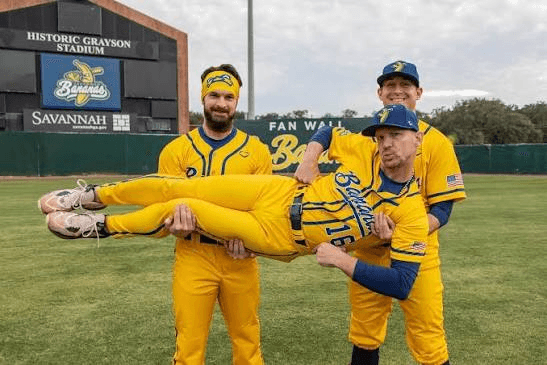
Baseball people can be suspicious of fun. Some of that comes from love. The game has history, craft, and a thousand small details that matter. When a new format gets loud, goofy, or theatrical, it is easy to worry that the sport is being reduced to clips. But the answer cannot be to make baseball colder. The answer is fun with integrity.
Fun with integrity means the joy points back to the game instead of away from it. It means celebrations do not replace preparation. It means personality does not excuse sloppy work. It means a player can dance, smile, talk, compete, and still respect the pitcher, the umpire, the teammate, and the rep. That is the version of baseball young players need most. MADE Baseball frames the same idea for families and athletes in its essay on why baseball needs more fun and less burnout.
The game has always had showmanship
Baseball has never been as quiet as people pretend. There have always been characters, rituals, bat flips, walk-up songs, dugout chants, and local legends. The difference now is distribution. A moment that used to live only at one field can travel everywhere by dinner. Banana Ball, Cosmic Baseball, Boom Ball, and creator baseball did not create showmanship. They gave it a louder stage.
That stage can be good for the sport. It can bring in fans who would never watch nine traditional innings. It can give young players permission to see baseball as expressive. It can remind burned-out families that the game is supposed to be enjoyable. The important thing is keeping the bridge back to real baseball skills. If a clip gets a kid excited, the next step should be a team, a coach, a cage, or a field. If they need a place to start, they can find batting cages near them on CageList.
Integrity protects the fun
Without integrity, fun turns shallow. A team can celebrate while still playing hard. A coach can run creative drills while still teaching mechanics. A facility can host entertaining events while still enforcing safety. A player can build a personal brand while still being a good teammate. The line is not between serious and fun. The line is between purposeful and empty.
That is why I like the better parts of this new baseball wave. The best people in it are not telling players to stop working. They are giving them more reasons to care. Ray "Sensei" Ortega is a good example. His company, 99 Crowns, is built around GODFIDENCE, a message that blends faith and confidence. Baseball needs that kind of grounding because the sport can attack a player's confidence every week. A hitter fails publicly. A pitcher loses feel. A kid wonders if all the work is worth it. Belief matters.
Fun can make training more honest
One of the strange things about boring practice is that it can hide low effort. A player can stand in line, take a few swings, and look busy without really competing. Add a target, a score, a time limit, or a teammate counting quality contact, and suddenly the truth shows up. Fun does not have to soften the standard. It can sharpen it.
That is especially true in batting cages. A cage is one of the cleanest training environments in the sport because it removes some noise. You can focus on contact quality, swing decisions, timing, and intent. But the cage still needs structure. Players need rounds that mean something. Coaches need enough space and time to work. Families need access that does not require fifteen phone calls. That is exactly why we built CageList as a marketplace for cage access.
What coaches can do tomorrow
You do not need a new brand strategy to bring more life into practice. Start by naming the objective for each station. Keep lines short. Let players compete in small teams. Celebrate the right things: hard contact, good takes, smart adjustments, backing up a teammate, and showing up ready. Give players a reason to care about the next rep.
Parents can do the same. Instead of only asking whether a kid got a hit, ask what they worked on. Ask what felt better. Ask whether they want extra cage time before the next game. If the answer is yes, book a local cage and make the work feel like an opportunity, not a punishment.
The future should be both
Baseball does not need to choose between tradition and entertainment. It needs enough humility to learn from what is working. If new formats are filling seats and getting kids excited, there is information there. If old-school coaches know how to build skill, toughness, and respect for the game, there is wisdom there too.
The healthiest future is both. Let the game breathe. Let players have personality. Let creators bring people in. Then give those players real places to work, real coaches to learn from, and real standards to grow into. Fun with integrity is not a compromise. It is how baseball stays alive without forgetting what made it worth loving in the first place.
Keep building the game with CageList
Fun with integrity is also how CageList thinks about access to practice. Players can find batting cages near them, families can compare local options in the CageList blog, and cage owners can list a batting cage so more hitters have a good place to train.
Turn the talk into reps
Every one of these comes back to the same thing: getting on the field and putting in the work. Find cage time near you and go do it.
Related Guides
View all articles
Field Notes
What "Named to an MLB Draft Board" Actually Means
Internal team boards, public rankings, or actually getting drafted? A former player breaks down what "named to an MLB Draft board" really means.

Field Notes
Idle Cage Hours: The Hidden Waste in Youth Baseball
Thousands of batting cages sit empty most of the week while families drive across town for reps. A look at youth baseball’s biggest missed opportunity.
Field Notes
The Sunday I Wanted to Lose
Five games in under 48 hours, a pitching staff with nothing left, and a coach in the third base box quietly hoping the tie game just ends. The guilt belongs to the format, not the coach.
Run a travel team? Get your free page.
Baseball or softball. Claim a free directory page, post tryouts, and share cagelist.com/@yourteam with families.
Find your league
Free directories of real leagues and clubs near you — then book a batting cage to get your reps in before opening day.
1,000 organizations

Join the backyard batting cage community
Talk builds, gear, hosting and player development with cage owners, coaches, parents and baseball families.