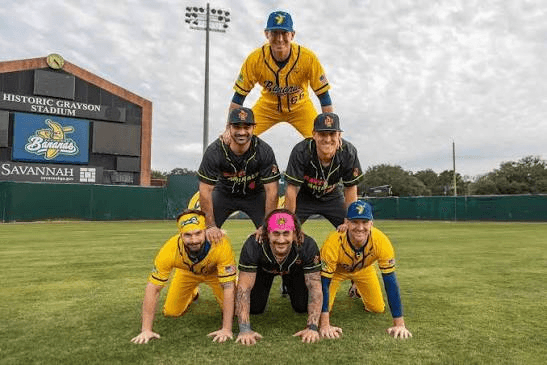
Baseball entertainment is moving fast, and the names can blur together if you are not living inside the trend. Banana Ball, Cosmic Baseball, and Boom Ball all sit in the same broad category: versions of baseball designed to be faster, louder, more social, and easier for casual fans to enjoy. But they are not the same thing, and the differences matter if you are a coach, player, parent, or cage owner trying to understand where the game is headed.
The simple way to think about it is this: Banana Ball changes the rules and the show around the game, Cosmic Baseball changes the environment, and Boom Ball leans into creator-led spectacle and personality. All three are reactions to the same problem. Traditional baseball can be beautiful, but it can also feel slow or hard to enter for new fans. These formats try to give people a faster emotional payoff. MADE Baseball also has a shorter fan-side explainer on Banana Ball, Cosmic Baseball, and Boom Ball if you want the coaching-program angle.
What is Banana Ball?
Banana Ball is the most famous of the modern entertainment formats. Its appeal comes from rule changes, pace, crowd interaction, choreographed moments, and a willingness to treat the ballpark like a full event instead of a quiet container for the game. The point is not just who wins. The point is that every inning gives the audience something to react to.
For youth coaches, the lesson is not to copy every rule. The lesson is to respect energy. Players are more likely to stay engaged when practice includes urgency, teams, points, consequences, and moments that feel alive. If your hitters stand in a line for 40 minutes to get eight swings, you are competing against every other sport and screen in their life. If they rotate through stations, compete in rounds, and can see progress, the same skill work feels different.
What is Cosmic Baseball?
Cosmic Baseball is built around atmosphere. Think glow elements, lighting, color, nighttime spectacle, and the feeling that baseball has been dropped into a live-event environment. The actual baseball can still matter, but the hook is sensory. People want to see what the game looks and feels like under different conditions.
This matters for facilities because atmosphere is one of the most underused tools in baseball training. Not every cage needs a light show, but every space has a vibe. Clean turf, clear safety rules, music during team rentals, good lighting, and a simple booking flow all change how families experience the same hour of cage time. A better environment makes the work feel more valuable. If you run a facility, our facility listing path is built around making that value easier to find.
What is Boom Ball?
Boom Ball is a looser term, but in the current conversation it usually points toward creator-driven baseball: big personalities, modified moments, short-form clips, and a style built for fans who discover the sport through social media as much as through a local stadium. It is baseball with the volume turned up and the camera always nearby.
That can make traditional baseball people nervous, but it should not. Creator energy does not have to replace the sport. It can introduce the sport. A kid may find the game through a clip, then find a team, then look for a place to train. That path is real. If they need a practical next step, finding a batting cage on CageList is one of the simplest ways to turn interest into work.
Where Ray Sensei Ortega and 99 Crowns fit
Ray "Sensei" Ortega sits right in the middle of this moment because he understands the bridge between entertainment and identity. His brand 99 Crowns pushes the idea of GODFIDENCE, a mix of faith and confidence that fits naturally with a game built on failure and resilience. That is why his work belongs in this conversation. The new baseball wave is not only about rule tweaks. It is about players and fans finding a message they can carry.
For young athletes, that matters. Baseball humbles everybody. A brand or creator who can make the game feel fun while also reminding players to stand on belief can have real influence. The key is making sure the influence points somewhere productive: better habits, better reps, better team culture, and more access to places where players can grow.
What coaches and cage owners should take from it
You do not need to rename your practice or buy special lights to learn from these formats. Start smaller. Add a timed hitting round. Let teams draft sides for a cage competition. Track exit velocity or quality contact. Create a weekly challenge for your regular rentals. Make the experience feel like something players want to come back to.
The entertainment wave is really a reminder that baseball has to earn attention. Once it has attention, the work still matters. Players need real swings. Teams need reliable practice space. Facilities need a way to reach families when motivation is high. That is the loop CageList is trying to support: excitement, access, reps, and repeatable development. For the training side of this trend, read our follow-up on what these formats are changing in youth baseball training.
Turn the talk into reps
Every one of these comes back to the same thing: getting on the field and putting in the work. Find cage time near you and go do it.
Related Guides
View all articles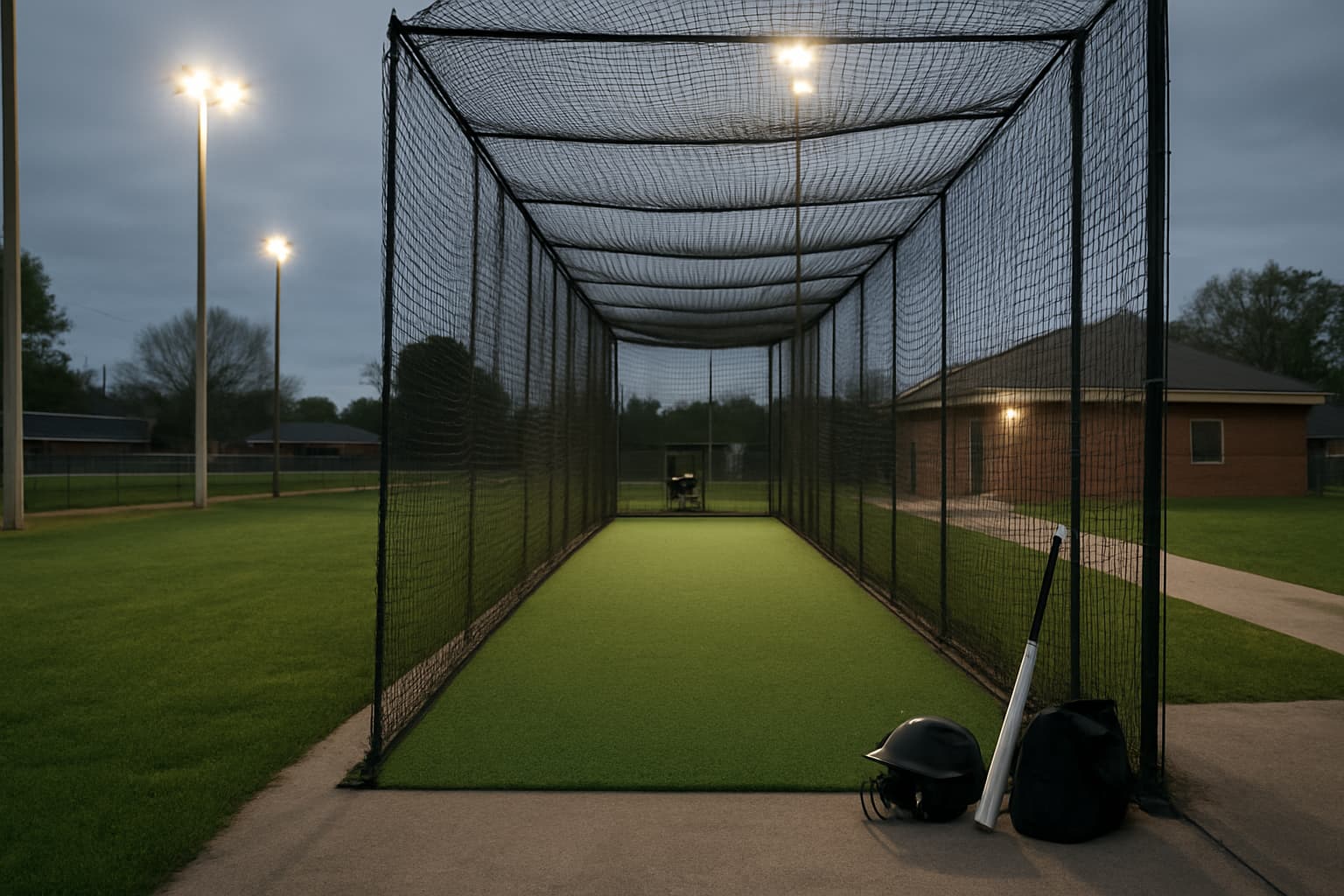
Field Notes
Idle Cage Hours: The Hidden Waste in Youth Baseball
Thousands of batting cages sit empty most of the week while families drive across town for reps. A look at youth baseball’s biggest missed opportunity.
Field Notes
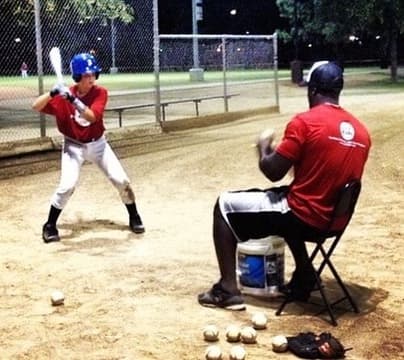
What "Named to an MLB Draft Board" Actually Means
Internal team boards, public rankings, or actually getting drafted? A former player breaks down what "named to an MLB Draft board" really means.
Field Notes
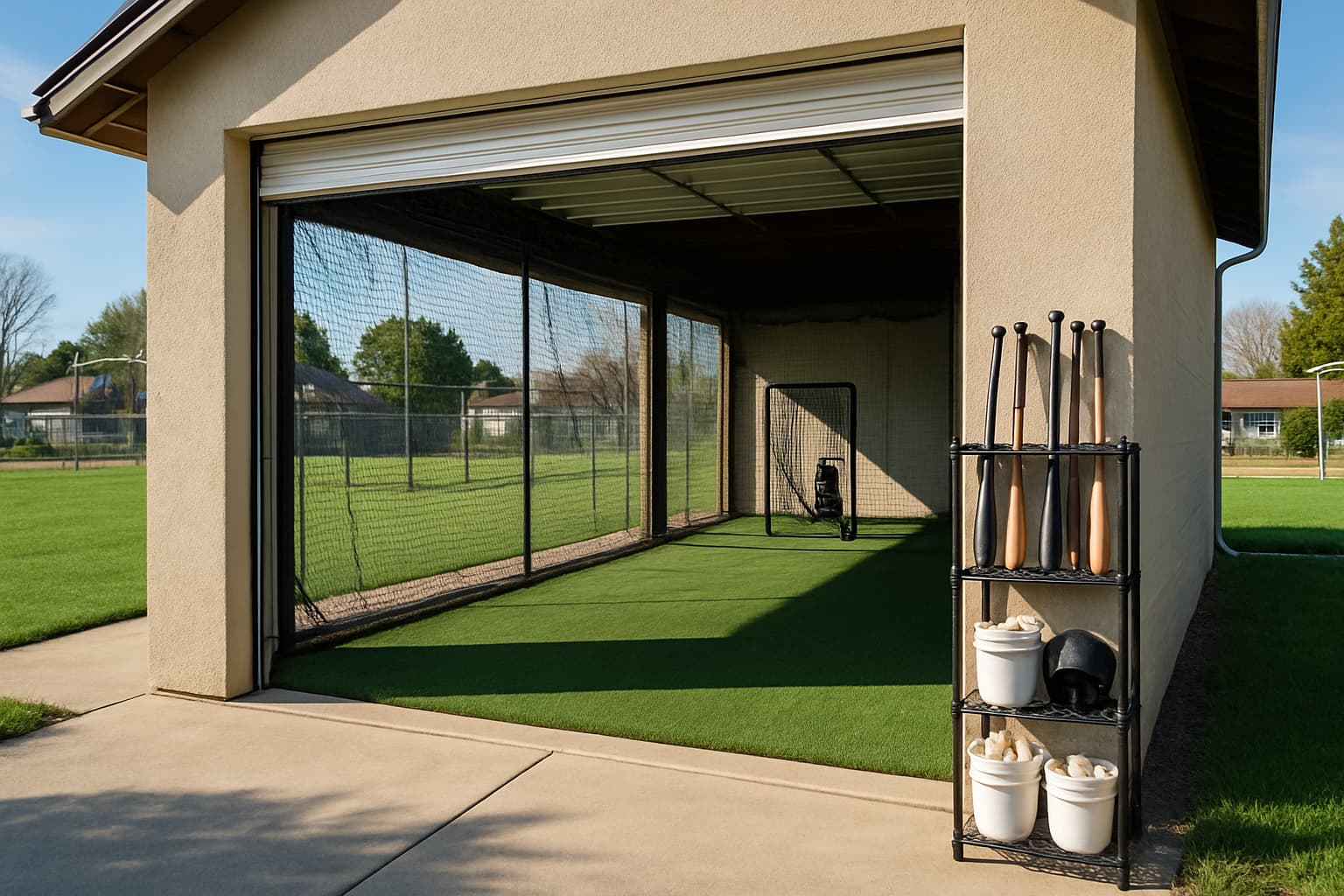
The Sunday I Wanted to Lose
Five games in under 48 hours, a pitching staff with nothing left, and a coach in the third base box quietly hoping the tie game just ends. The guilt belongs to the format, not the coach.
Run a travel team? Get your free page.
Baseball or softball. Claim a free directory page, post tryouts, and share cagelist.com/@yourteam with families.
Find your league
Free directories of real leagues and clubs near you — then book a batting cage to get your reps in before opening day.
1,000 organizations
Join the backyard batting cage community
Talk builds, gear, hosting and player development with cage owners, coaches, parents and baseball families.